Live Lighter: Refills, Portions, and Perfect Timing for Package‑Free Shopping
Skip the towering bulk bins at home and learn how to shop package‑free without hoarding. Today we explore shopping package‑free without bulk storage by mastering refills, portions, and timing that suit real routines, small kitchens, and changing schedules. Expect practical routes, refill ratios, and portion tricks that keep food fresh and budgets calm. You’ll hear human stories, see simple math, and discover low‑stress reminders that end last‑minute runs. Join the conversation, share your wins, and subscribe for friendly prompts that make the next refill feel easy rather than urgent.
The Five‑Minute Home Audit
Set a timer and walk your kitchen with curiosity, not judgment. Note the items you buy most, the containers you prefer, and where spills or clutter happen. Circle two candidates for refill—dish soap and oats are common—and plan to replace them package‑free this week using containers you already trust.
Choosing Containers You’ll Actually Carry
Heavy glass jars look lovely but often stay home. Prioritize light, leak‑tight options: swing‑top bottles for liquids, aluminum tins for spices, and collapsible produce bags. Test grips, lids, and weights during a short walk. If it annoys you empty, it will frustrate you full, so choose comfort over aesthetics.
Mapping Nearby Refill Stops
Open a map and mark places you already visit—work, gym, daycare, transit. Search for bulk or refill shops within three blocks of those routes, plus farmers’ markets on your usual days. Aim for one dependable stop per category: cleaning, dry goods, and produce. Familiarity reduces friction and keeps momentum steady.
Refill Strategies That Prevent Waste
Refilling is more than topping up; it’s a rhythm that protects freshness, cash, and sanity. Use small, repeatable amounts and simple dilution ratios to keep products effective without lugging excess weight. Label dates, track volumes casually, and build kindness into your process. When you observe your real usage rather than imagined needs, you refine a system that feels supportive, not strict.
Using Refill Ratios and Dilutions
Many household products are concentrated. Try dish soap at one part concentrate to three to five parts water in a foaming pump, and test laundry liquid at the manufacturer’s lightest suggested dose. Record what actually works on a small sticker. Efficiency grows, plastic drops, and you carry less between stores.
Trigger‑Based Reminders, Not Panic Buys
Instead of calendar alarms, assign visual or tactile triggers. Refill when the rice jar reaches three fingers from the bottom, or when your scale shows roughly thirty percent remaining. Tie triggers to places you pass anyway, like the front door hook, so an empty bottle automatically becomes a gentle errand.
Refill Etiquette and Hygiene
Clean bottles with hot water, a dash of vinegar or fragrance‑free soap, and thorough air‑drying upside down. Wipe rims before filling, keep funnels in a labeled pouch, and date each refill with a removable tag. Shops appreciate care, you avoid cross‑contamination, and everything smells like intended ingredients, not mystery.
Portioning for Freshness and Convenience
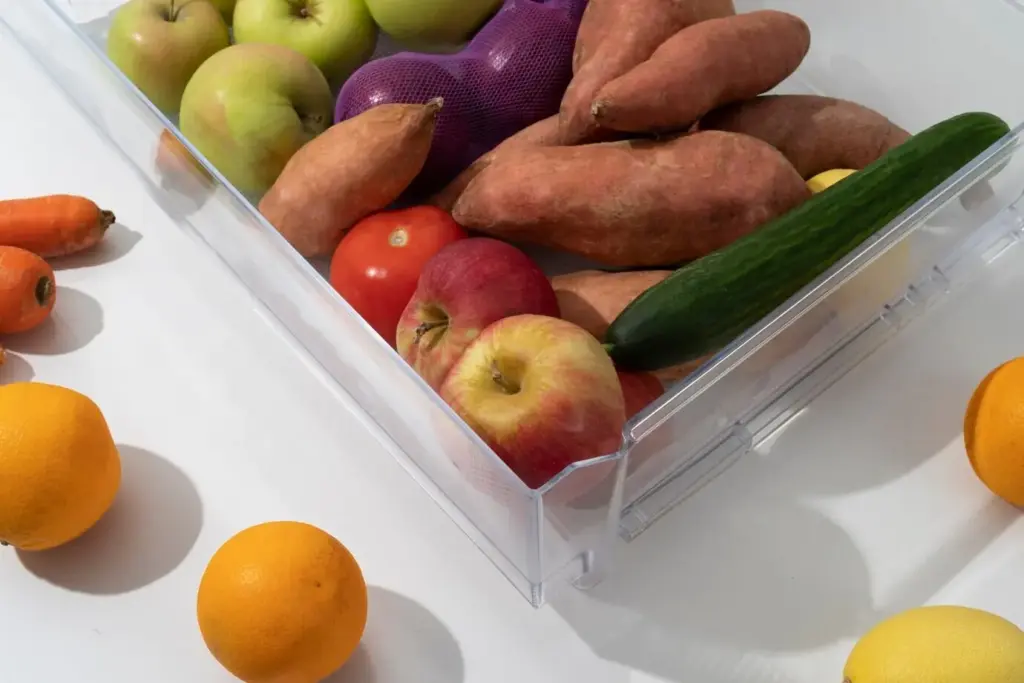
Portions are your secret to freshness without bulk storage. Buy small amounts more often, then micro‑batch at home so ingredients stay vibrant and easy to use. Store weekly quantities in front‑row containers and freeze modest backup portions clearly dated. This way, herbs stay fragrant, grains cook faster, and snacks move seamlessly into lunches. You will waste less and feel more in control of appetites, surprises, and seasonal cravings.
Timing Your Trips Like a Pro
Route Chaining and Time Windows
Design a loop: office to refill station to transit, or school drop‑off to market to park. Identify low‑crowd windows, such as weekday mornings or late afternoons. Short, predictable stops beat marathon shopping. The route becomes muscle memory, and your containers get refilled before you even think to stress.
Seasonal Calendars and Market Cycles
Sketch a simple month view noting when citrus peaks, greens flood stalls, or bulk oats arrive after harvest. Plan refills around these cycles for better flavor and prices. Seasonal cadence brings variety to plates, and your storage stays lean because the calendar, not fear, guides purchasing confidence.
Rainy‑Day and Emergency Plans
Life happens. Keep one compact reserve of staples—like pasta, lentils, and soap—sealed and dated for genuine emergencies. Maintain a list of two alternate refill shops and a friend willing to swap portions in a pinch. Preparedness keeps momentum steady without drifting back to oversized, plastic‑wrapped purchases.
Budget and Nutrition Without Bulk Buying
A lean pantry can still nourish and save money. Learn quick unit‑price math, favor versatile proteins, and use fiber‑rich staples in delicious rotations. Because you buy smaller amounts, quality becomes accessible—good olive oil, fresh spices, crisp produce. Track what vanishes fastest and steer spending there. You’ll minimize waste, stretch meals creatively, and skip the sunk costs of forgotten bins hiding in the back of a closet.
Unit Cost Math Without Pallets
Take a photo of shelf tags and divide price by grams or ounces in your notes app. Compare refill price per unit to packaged equivalents honestly. Savings often appear in reduced waste, not just cents. Paying a little more for fresher items can still lower total monthly spend.
Protein, Fiber, and Micronutrients
Build plates from beans, eggs, tofu, seasonal fish, and smart grains like barley or buckwheat. Add color with greens and carrots, and finish with seeds or nuts from small refills. Balanced bowls satisfy longer, reduce snacking, and make your limited storage feel abundant because each item pulls real weight.
A Student’s Two‑Jar System
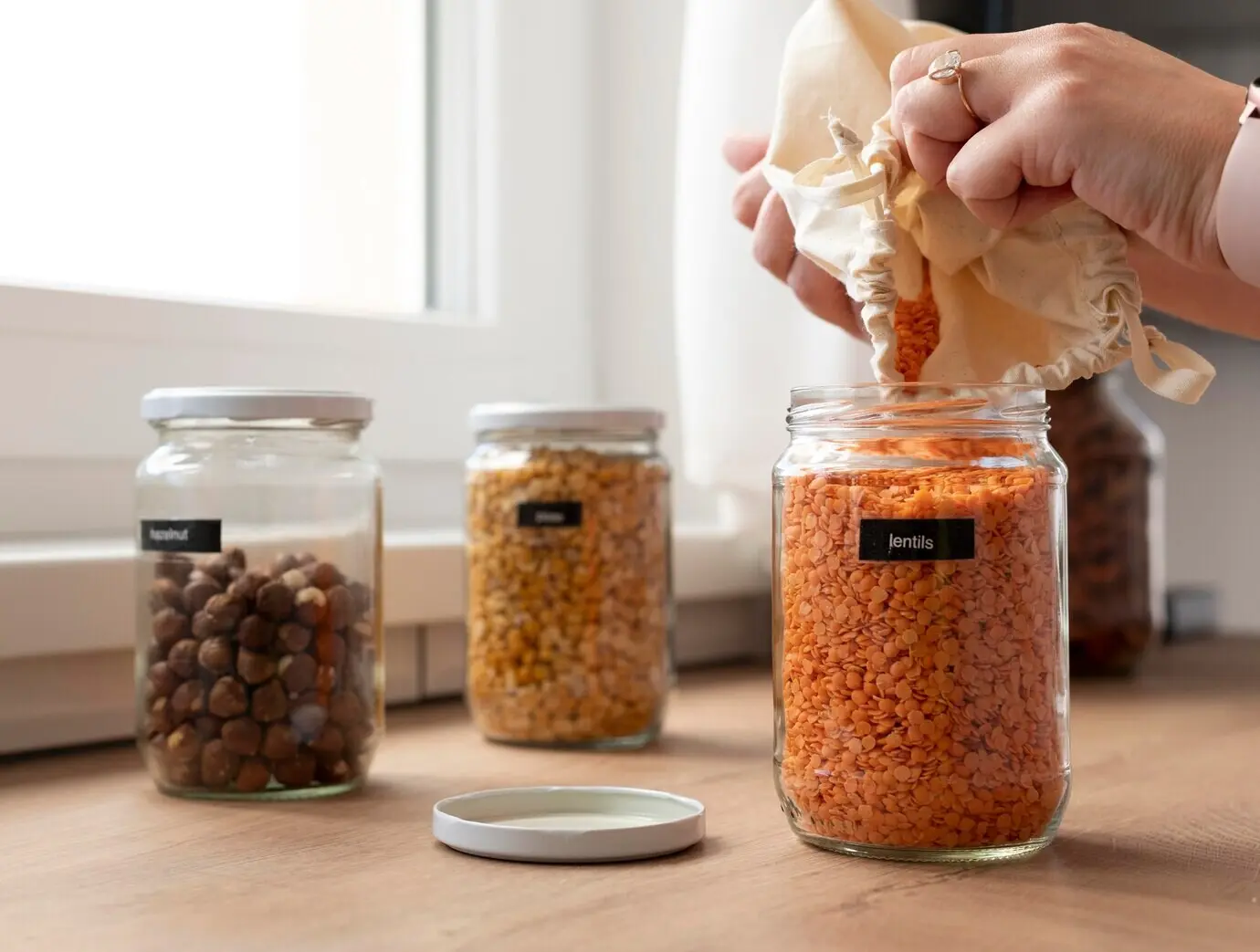
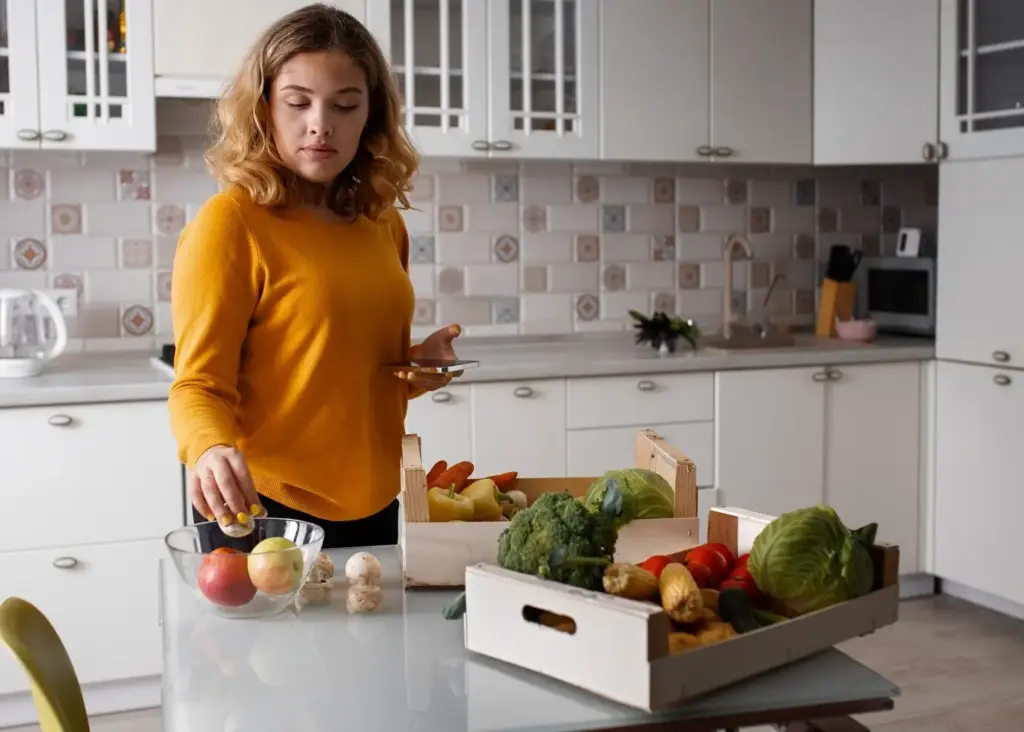
In a tiny dorm, one jar holds oats, the other coffee. The student refills on the way back from the campus gym, using collapsible bags for apples. A sticky note on the door says “three‑finger rule.” Finals week stayed calm, breakfasts happened, and trash barely filled a handshake.
A Parent’s Sunday Refills
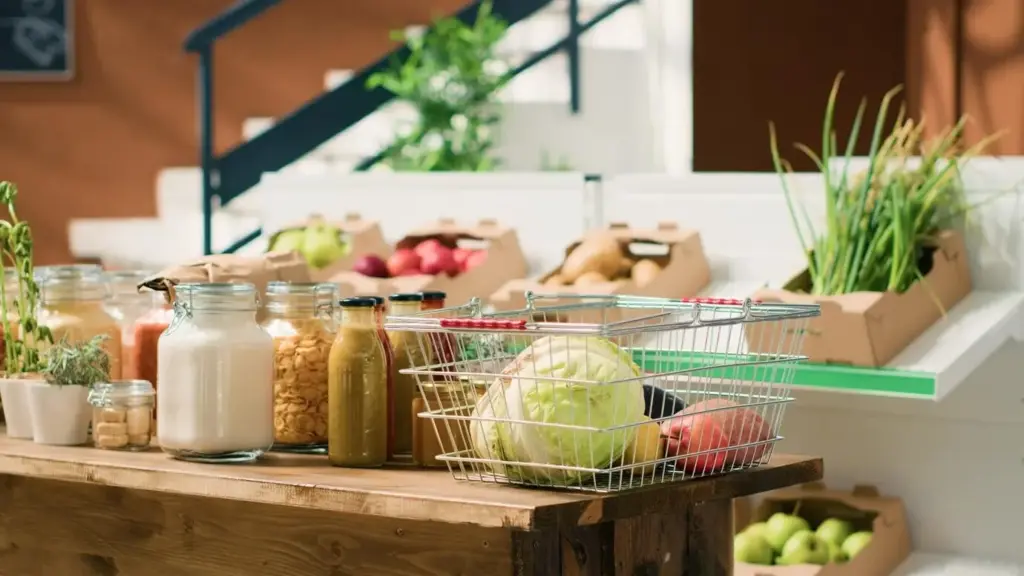
After soccer practice, a parent loops by the co‑op with two kids and three containers: detergent, rice, peanut butter. The cart takes ten minutes because everyone knows the dance. Dinner happens faster, lunch boxes pack themselves, and there is still energy left for bedtime stories and a quiet tea.
All Rights Reserved.