

Rental-Friendly Recycling and Reuse Stations for Compact Homes

From lease-safe installs to stackable solutions, this guide dives into rental-friendly recycling and reuse stations for compact homes. You’ll learn how to sort smarter, reduce clutter, and keep landlords happy while building habits that travel with you between apartments and seasons. Expect quick wins, renter-approved hacks, and inspiring stories from tiny spaces that turned convenience into daily climate action.

Small Spaces, Big Recycling Wins

Understanding lease-friendly boundaries

Before mounting anything, read clauses about walls and finishes. Favor removable adhesives, tension rods, and freestanding frames to avoid repairs and fees. If in doubt, email management with photos and dimensions; documented approval protects your deposit and encourages building staff to support better sorting.

Right-sizing your collection points

Match bin volume to pickup schedules, not aspirations. A slim paper sleeve, lidded organics caddy, and compact container for metals and plastics often beat oversized tubs. Vertical stackers reclaim dead corners, while a foldable tote handles overflow on holidays without swallowing precious floor space.

Motivation through micro-habits

Attach sorting to actions you already do: make coffee, rinse a jar, check the mail. Two-minute resets each night keep surfaces clear and bins ready. Celebrate milestones, photograph your station, and share results with neighbors; collective pride sustains momentum when novelty fades.

Modular Stations That Move With You

Life changes, leases end, and furniture shifts, so your setup should adapt without waste. Modular pieces stack, fold, and reconfigure for new corners or roommates. Choose units that ship flat, spare walls from holes, and transform packing boxes into protective moving sleeves.

Stackable bins with breathable liners

Stacking unlocks vertical capacity while leaving airflow around organics. Pair vented caddies with compostable liners to reduce moisture and odor, and slide a thin tray beneath to catch drips. When you move, the same tower becomes a pantry sorter or laundry companion.

Magnetic, over-door, and adhesive mounts

Refrigerator sides and steel doors are hidden real estate. Strong magnets support lightweight bag hooks; tension bars suspend paper sleeves; removable adhesives secure clips for instruction cards. Combine methods to create sturdy zones without drills, then peel everything away on move-out day without trace.

Foldable carts for elevator days

A collapsible cart parked behind a door turns heavy trips into easy rolls. Load glass and paper together in separate totes, bungee them gently, and glide to the chute, curb, or community depot. Back home, the cart disappears flat, guarding every centimeter.

Clean Aesthetics, Cleaner Streams

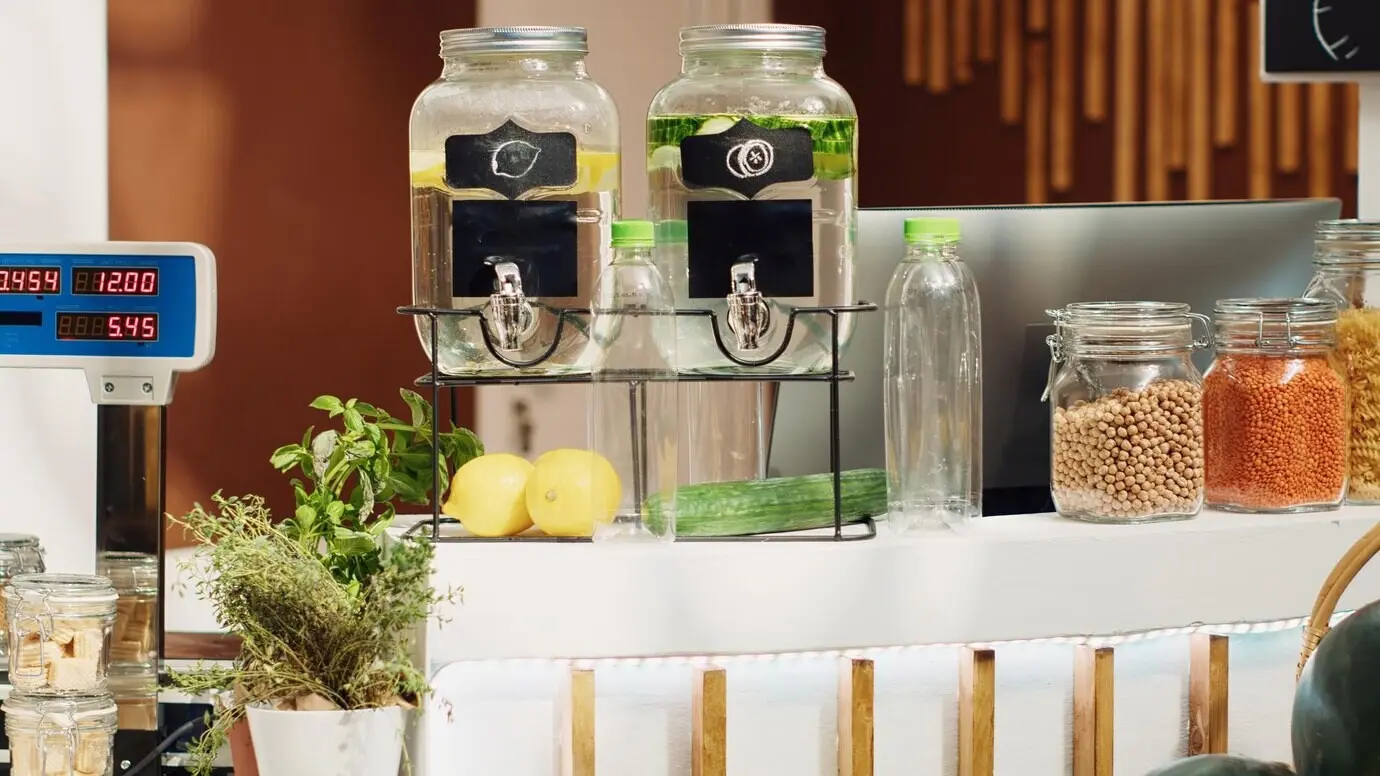
People use what looks inviting. Neutral tones, rounded edges, and clear icons transform a corner from chore zone into a small daily ritual. When labels match municipal rules and containers feel intentional, roommates join in faster and contamination drops without constant policing or guilt.

Reuse Hub: Giving Objects a Second Script

Not everything belongs in a blue bin. A tiny reuse hub saves money, reduces packaging demand, and sparks creativity. Set aside a shelf for jars, padded mailers, and gift wrap. By circulating items within your building, you cut trips, clutter, and emissions together.

Rotation boxes and lending shelves

Create two clearly labeled boxes: keep, and circulate. The circulate box holds magazines, spare cables, or gently used utensils for neighbors. Add a monthly date for hallway swaps, and photograph what’s available. Visibility turns forgotten extras into shared resources instead of hidden junk.

DIY fixes and gentle refresh kits

A mini repair kit rescues items from the bin: fabric glue, a needle set, wood polish, elastic bands, and cable ties. Place it beside your station to encourage quick saves. Celebrating these tiny repairs builds confidence, keeps money in pocket, and delights landlords.

Community swaps from your couch

Use building chats or neighborhood groups to post outgoing items and wish lists. Bundle offers by category, set pickup windows, and leave items at a supervised lobby table. The smoother the process, the more neighbors participate, and the less waste everyone drags curbside.

Weekly audits that take five minutes

Pick one moment—Sunday evening works—and glance through each stream. Note contaminants, overflowing bins, and what stayed empty. Adjust labels or bin sizes immediately. Over a month, tiny tweaks compound into cleaner outputs, fewer odors, and rhythms that respect both your schedule and space.

QR codes to local rules and pickup maps

Tape a discrete QR code that opens municipal rules, holiday schedules, and depot maps. Guests scan to double-check, roommates scan to learn, and you scan when something changes. Keeping guidance at your fingertips reduces guesswork, arguments, and last-minute scrambles before pickup.

Low-Impact, Landlord-Safe Installation

No-drill solutions that actually hold

Look for tension systems rated for shower caddies, then repurpose them for light bins or label boards. Pair with surface-prep wipes and weight limits you respect. A quick tug test after installation builds confidence and prevents midnight crashes or awkward emails to management.

Materials that respect finishes

Soft felt feet, silicone pads, and cork spacers protect varnish and tile. Avoid rough plastics that scuff when loaded. If you must slide a unit, use a towel underneath. These quiet choices keep your station sturdy, beautiful, and invisible to the inspection checklist.

Move-out magic: reinstating like new

Schedule a final reset: peel adhesives slowly, warm stubborn spots with a hair dryer, and roll residue with painter’s tape. Patch micro pinholes, wipe scuffs, and photograph every surface. Share your checklist with readers; collective wisdom saves deposits and nerves across the community.

Lurivonexaltampio
Privacy Overview

This website uses cookies so that we can provide you with the best user experience possible. Cookie information is stored in your browser and performs functions such as recognising you when you return to our website and helping our team to understand which sections of the website you find most interesting and useful.